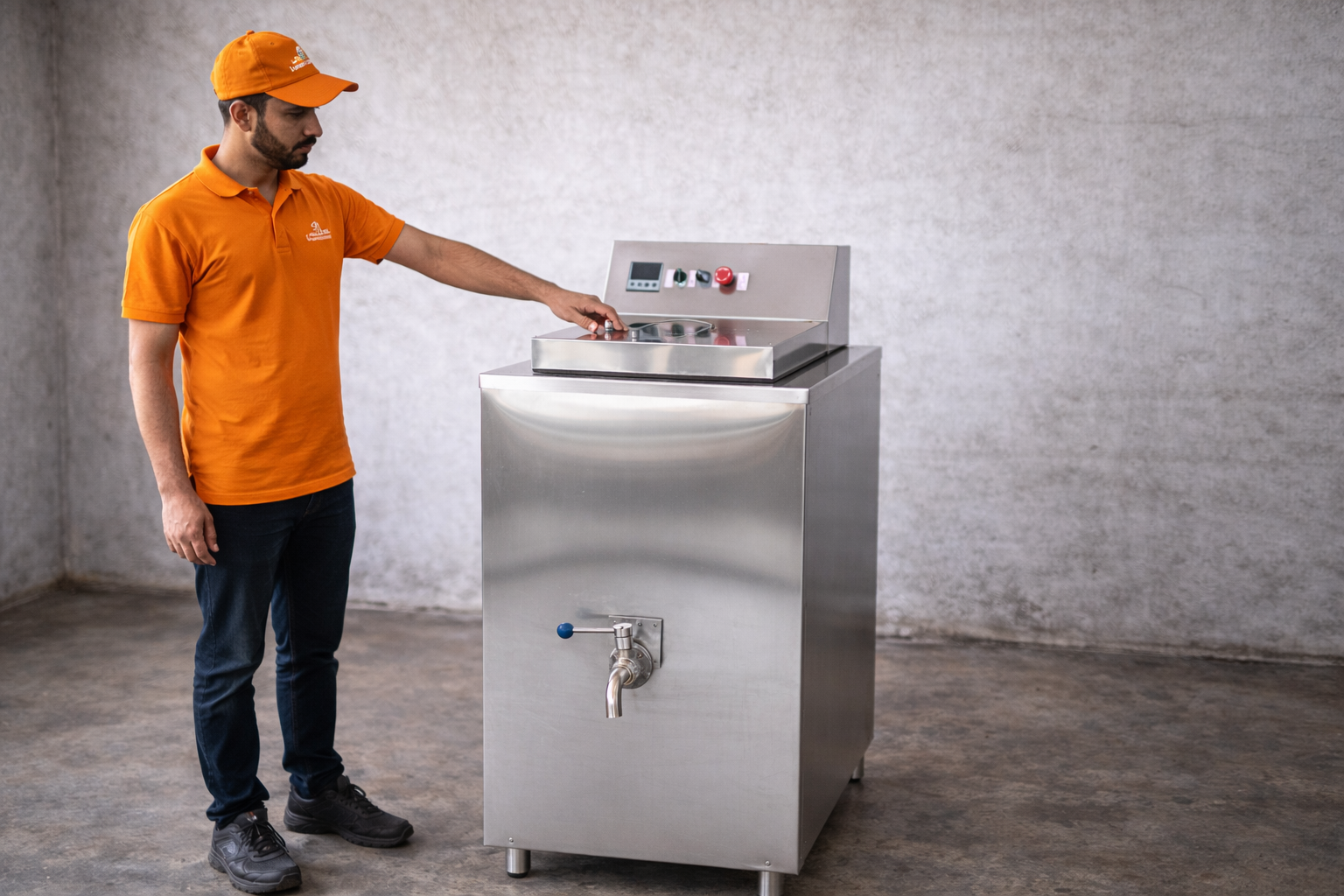
Benefits of Pasto Matic Machine
In the dynamic world of food production, efficiency, consistency, and quality are paramount. For businesses involved in pasta manufacturing, the choice of equipment can make or break operational success and product appeal. A Pasto Matic machine, a specialized piece of equipment designed for automated pasta production, offers a compelling array of benefits that can significantly transform a commercial kitchen or a dedicated pasta manufacturing facility. Understanding these advantages is crucial for any entrepreneur or established business looking to scale, improve output, or enhance the quality of their pasta offerings.
This article delves into the multifaceted benefits of integrating a Pasto Matic machine into your production workflow. We will explore how this technology addresses common challenges in pasta making, unlocks new possibilities for product development, and ultimately contributes to business growth and customer satisfaction.
What is a Pasto Matic Machine?
A Pasto Matic machine, often referred to as a pasta maker or pasta extruder, is an industrial or semi-industrial appliance engineered to automate the process of creating pasta. These machines typically combine several stages of pasta production into a single, streamlined unit. This usually includes mixing the ingredients (flour, water, and sometimes eggs), kneading the dough to the correct consistency, and then extruding the dough through a die to form various pasta shapes. Some advanced models may also incorporate features for cutting, drying, or even packaging.
The primary goal of a Pasto Matic machine is to provide a consistent, high-quality product efficiently and with reduced manual labor. They are designed to handle larger volumes than domestic pasta makers, making them ideal for restaurants, hotels, catering services, and dedicated pasta production facilities.
Versatile Applications of a Pasto Matic Machine
The adaptability of a Pasto Matic machine makes it a valuable asset across various food service and production environments. Its ability to produce a wide range of pasta shapes with consistent texture and quality opens up numerous application possibilities:
Restaurants & Cafes
Freshly made pasta significantly enhances a dining experience. Pasto Matic machines allow restaurants to produce unique, high-quality pasta on-demand, offering a signature touch to their menus and catering to customers seeking authentic Italian cuisine.
Hotels & Catering Services
For large-scale food service operations, consistent quality and high volume are critical. These machines ensure that large batches of pasta can be produced efficiently, meeting the demands of banquets, events, and regular hotel dining without compromising on taste or texture.
Dedicated Pasta Production
Businesses focused solely on pasta manufacturing can leverage Pasto Matic machines for efficient, high-volume production of various pasta types for retail sale, wholesale distribution, or supplying to other food businesses.
Specialty & Gourmet Foods
Producers of specialty or gourmet food items can use these machines to create unique pasta shapes, incorporate alternative flours (like gluten-free or whole wheat), or develop signature pasta products that stand out in the market.
Key Benefits of Pasto Matic Machine Integration
Investing in a Pasto Matic machine offers a multitude of advantages that directly impact operational efficiency, product quality, and business profitability. These benefits are crucial for staying competitive in the food industry.
Enhanced Production Efficiency
The automation inherent in a Pasto Matic machine dramatically increases production speed compared to manual methods. Mixing, kneading, and extruding are performed by the machine, significantly reducing labor time and effort, allowing for higher output within shorter periods.
Consistent Product Quality
Achieving uniform dough consistency and precise extrusion is vital for excellent pasta. Pasto Matic machines are engineered to maintain exact ratios of ingredients and consistent pressure during extrusion, resulting in pasta shapes that are identical in size, texture, and cooking performance every time. This consistency builds customer trust and brand reputation.
Reduced Labor Costs
By automating several labor-intensive steps, these machines minimize the need for skilled manual labor in pasta preparation. This not only reduces operational costs associated with wages but also frees up staff to focus on other critical tasks like customer service, marketing, or quality control.
Versatility in Pasta Shapes
A significant advantage is the ability to produce a wide variety of pasta shapes. Pasto Matic machines utilize interchangeable dies, allowing users to create everything from classic spaghetti and fettuccine to more intricate shapes like fusilli, penne, or farfalle. This versatility supports menu diversification and product innovation.
Improved Dough Handling
The controlled mixing and kneading process ensures optimal gluten development, leading to pasta that holds its shape well during cooking and has a superior texture. This process is difficult to replicate consistently with manual methods, especially at scale.
Space and Time Savings
Consolidating multiple production steps into one machine streamlines the workflow, potentially reducing the need for separate equipment for mixing, kneading, and extruding. This can lead to better space utilization in the kitchen or production area and save valuable time.
Cost-Effectiveness at Scale
While the initial investment may be significant, the long-term cost savings from increased efficiency, reduced labor, and consistent output make Pasto Matic machines a cost-effective solution for businesses aiming for higher production volumes. The ability to produce fresh pasta in-house can also be more economical than purchasing pre-made pasta.
Hygiene and Food Safety
Modern Pasto Matic machines are designed with hygiene in mind, often featuring easily removable and cleanable parts made from food-grade materials. Automation also reduces direct human contact with the dough, minimizing the risk of contamination and enhancing food safety standards.
Choosing the Right Pasto Matic Machine
Selecting the appropriate Pasto Matic machine requires careful consideration of your specific business needs. Here are key factors to evaluate:
1. Production Capacity Requirements
Assess your current and projected pasta production volume. Machines vary greatly in their output capacity, from smaller units suitable for restaurants to large industrial extruders for mass production. Choose a machine that can meet your peak demand without being overly sized for your regular needs.
2. Types of Pasta Shapes Needed
Consider the variety of pasta shapes you intend to produce. Ensure the machine comes with or can accommodate the necessary dies for your desired pasta forms. Some machines are more specialized than others.
3. Ingredient Flexibility
If you plan to use different types of flour (e.g., semolina, whole wheat, gluten-free blends), check if the machine is designed to handle these variations effectively. Dough hydration and consistency can differ significantly between flour types.
4. Ease of Operation and Cleaning
Look for intuitive controls and simple operation. Equally important is ease of cleaning. Removable parts, smooth surfaces, and accessible components will streamline maintenance, ensure hygiene, and save valuable time.
5. Durability and Construction
Invest in a machine built with robust materials, such as stainless steel, for longevity and reliability in a commercial environment. Check the quality of components like the motor, gearbox, and extrusion mechanism.
6. After-Sales Support and Service
Consider the availability of technical support, spare parts, and maintenance services. A responsive supplier can be crucial for minimizing downtime and ensuring your machine operates efficiently long-term.
Ensuring Quality and Performance
When evaluating a Pasto Matic machine, several quality and performance indicators should be observed:
- Dough Consistency: Observe the dough as it is mixed and kneaded. It should achieve a smooth, homogenous texture without being too dry or too wet.
- Extrusion Purity: The extruded pasta should be well-formed, without tears, cracks, or excessive flour dusting. The die should release the pasta cleanly.
- Shape Integrity: Check if the pasta holds its shape during the cutting process (if applicable) and immediately after extrusion.
- Material Quality: Inspect the materials used for the hopper, auger, extrusion screw, and dies. Food-grade stainless steel is the industry standard for hygiene and durability.
- Noise Level: While industrial equipment can be noisy, excessively loud or irregular noises might indicate operational issues.
Performing a test run with your intended dough recipe is highly recommended before making a purchase decision. This practical assessment provides the best insight into the machine's capabilities and how it performs under conditions similar to your own.
Partnering with PARIKSHIT INDUSTRIES for Your Pasta Production Needs
For businesses seeking reliable and efficient pasta processing solutions, PARIKSHIT INDUSTRIES offers a range of equipment designed to meet the demands of modern food production. We understand the importance of quality, consistency, and performance in the culinary industry. Our commitment is to provide robust machinery that supports your operational goals and enhances your product offerings. Whether you are looking to establish a new pasta line or upgrade your existing equipment, our team is dedicated to helping you find the right solution.
We focus on delivering equipment that combines functionality with durability, ensuring a valuable investment for your business. By choosing PARIKSHIT INDUSTRIES, you gain a partner committed to supporting your growth and success in the competitive food market. We strive to provide solutions that are not only effective but also contribute to the overall efficiency and profitability of your operations.
Frequently Asked Questions about Pasto Matic Machines
What is the main advantage of using a Pasto Matic machine over manual pasta making?
The main advantage is the significant increase in production efficiency and consistency. A Pasto Matic machine automates mixing, kneading, and extruding, allowing for higher volumes of uniformly shaped pasta with less labor and consistent quality, which is difficult to achieve manually at scale.
Can a Pasto Matic machine produce different types of pasta?
Yes, most Pasto Matic machines can produce a wide variety of pasta shapes by using interchangeable dies. This allows for versatility, from common shapes like spaghetti and penne to more specialized designs, depending on the machine's capabilities and available dies.
What types of flour can be used with a Pasto Matic machine?
Typically, these machines are designed to work with standard pasta flours like semolina and durum wheat. However, many can also process other types, including whole wheat, spelt, or even gluten-free flour blends, though specific adjustments or machine models might be necessary for optimal results.
How important is cleaning and maintenance for a Pasto Matic machine?
Cleaning and maintenance are critical for both hygiene and the longevity of the machine. Regular cleaning prevents dough buildup and contamination, ensuring food safety and consistent product quality. Proper maintenance of moving parts ensures reliable operation and prevents costly breakdowns.
Are Pasto Matic machines suitable for small businesses like restaurants?
Yes, many Pasto Matic machines are available in compact, semi-industrial sizes specifically designed for restaurants, hotels, and smaller catering operations. These models offer the benefits of automation and consistency for smaller batch production, allowing for fresh, high-quality pasta on-site.
Elevate Your Pasta Production Today
Unlock the full potential of your pasta business with the efficiency and quality that a Pasto Matic machine provides. Whether you aim to expand your product line, improve consistency, or streamline your operations, the right equipment is key. Contact PARIKSHIT INDUSTRIES to discuss your specific requirements and discover how our pasta making solutions can benefit your venture.
Explore Our Pasta Solutions