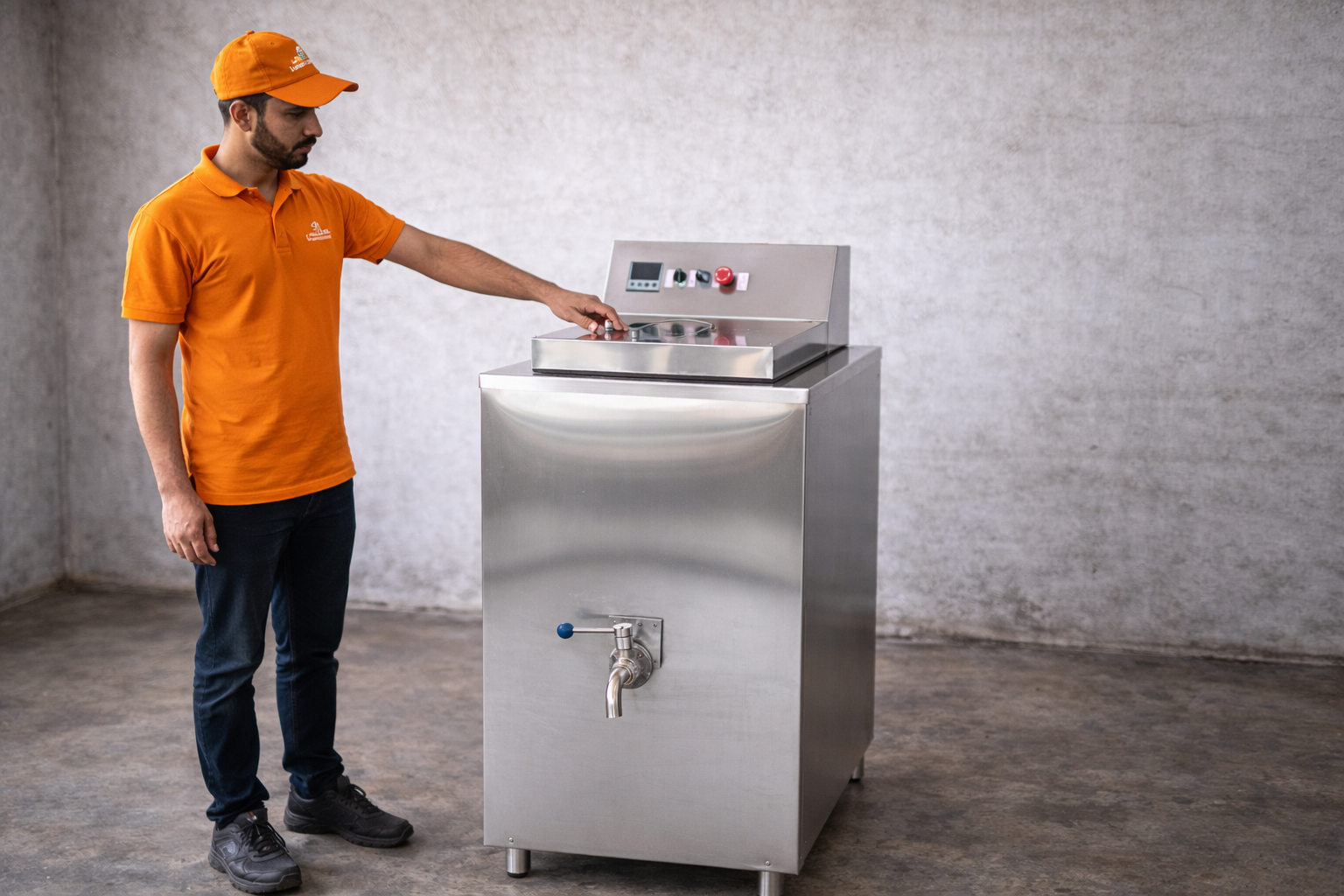
How Pasto Matic Works
The world of modern food production relies heavily on specialized machinery to achieve efficiency, consistency, and quality. Among these, the Pasto Matic stands out as a key player in automated pasta creation. While the exact proprietary mechanisms of any specific manufacturer's Pasto Matic remain unique to them, understanding the general principles of how these sophisticated machines operate can provide invaluable insight for any business looking to enhance its pasta production capabilities.
This guide delves into the core functionalities and underlying processes that define the operation of a Pasto Matic, shedding light on its applications, the significant benefits it offers, and crucial factors to consider when making an informed purchasing decision.
Understanding the Pasto Matic Process
At its heart, a Pasto Matic is an automated system designed to streamline the creation of pasta, from raw ingredients to finished shapes. The general process involves several critical stages, each optimized for speed, precision, and hygiene.
Ingredient Preparation and Mixing
The journey begins with the precise combination of core ingredients, typically high-quality flour and water. Depending on the desired pasta type and recipe, other elements like eggs, semolina, or specific flavorings may also be introduced. The Pasto Matic ensures accurate proportions, a fundamental step for consistent dough quality.
Dough Kneading
Once mixed, the ingredients undergo a controlled kneading process. This stage is crucial for developing the gluten structure in the flour, which gives pasta its characteristic texture and bite. The machine's design dictates the intensity and duration of kneading, mimicking traditional methods but with superior uniformity and efficiency.
Dough Extrusion
Following kneading, the dough is prepared for extrusion. Through a die or mold, the dough is pushed, taking on the desired shape – be it spaghetti, penne, fusilli, or other popular forms. The choice of die is paramount, and automated systems allow for quick and easy changes to produce a variety of pasta shapes, catering to diverse culinary needs.
Cutting and Forming
As the pasta emerges from the extruder, an integrated cutting mechanism ensures uniform lengths. For certain shapes, additional forming processes might occur at this stage. The precision of these cuts is vital for standardized product appearance and cooking performance.
Drying or Immediate Use
Depending on the type of Pasto Matic and the intended application, the freshly extruded pasta may either be sent for a controlled drying process to preserve it for longer storage or packaged for immediate use in restaurant kitchens or catering services. Advanced systems might incorporate gentle handling to maintain the integrity of delicate pasta forms.
Applications and Use Cases for Pasto Matic Machines
The versatility and efficiency of Pasto Matic machines make them indispensable across various food service and production environments.
Restaurants and Hotels
Enables in-house production of fresh, high-quality pasta, offering diners a premium culinary experience. Allows for menu flexibility and customization.
Catering Services
Facilitates rapid production of large batches of pasta to meet event demands, ensuring consistency and reducing labor costs.
Pasta Production Facilities
Forms the core of operations for businesses specializing in commercial pasta manufacturing, providing the means for high-volume, consistent output.
Culinary Schools and Research
Provides a controlled environment for experimenting with different recipes, dough consistencies, and pasta shapes, aiding in training and development.
Key Benefits of Utilizing a Pasto Matic
Investing in a Pasto Matic machine brings a multitude of advantages that can significantly impact the operational efficiency and product quality of a food business.
- Enhanced Production Efficiency: Automation drastically reduces the time and manual labor required for pasta making, allowing for higher output in shorter periods.
- Consistent Quality: Precise control over ingredient mixing, kneading, and extrusion ensures uniform texture, shape, and taste in every batch.
- Versatility in Shapes: The ability to change dies easily allows for the production of a wide array of pasta types, catering to diverse menu requirements and customer preferences.
- Improved Hygiene Standards: Modern Pasto Matic machines minimize direct human contact with the dough, reducing contamination risks and adhering to strict food safety regulations.
- Cost Reduction: By optimizing labor and reducing waste through consistent production, businesses can achieve significant cost savings over time.
- Freshness and Quality Control: On-demand production ensures the freshest possible product, while the controlled process guarantees a superior final quality compared to many commercially produced pastas.
Buyer's Guide: Selecting the Right Pasto Matic
Choosing the appropriate Pasto Matic machine is a critical decision that requires careful consideration of several factors to ensure it aligns with your specific business needs and operational scale.
Assess Your Production Needs
Determine the volume of pasta you need to produce daily or weekly. Consider the variety of pasta shapes you intend to offer. Smaller establishments might require a more compact, versatile unit, while larger production facilities will need high-capacity machines.
Consider Automation Levels
Pasto Matic machines range from semi-automatic to fully automated. Evaluate how much manual intervention you are willing or able to accommodate. Fully automated systems offer the highest efficiency but come with a higher initial investment.
Material and Durability
Look for machines constructed from high-quality, food-grade materials such as stainless steel. Durability is key for commercial use, ensuring longevity and resistance to wear and tear. Ease of cleaning is also paramount for maintaining hygiene.
Ease of Operation and Maintenance
The machine should be user-friendly, with intuitive controls. Consider the ease with which components can be accessed for cleaning and maintenance. Removable parts that are dishwasher-safe can significantly simplify upkeep.
Technical Support and Service
Investigate the availability of technical support, spare parts, and maintenance services from the manufacturer or supplier. This is crucial for minimizing downtime should any issues arise.
Key Questions to Ask Before Purchasing:
- What is the machine's production capacity per hour/day?
- What types and sizes of pasta can this machine produce?
- What are the power requirements?
- How easy is the machine to clean and maintain?
- What kind of warranty and after-sales support is provided?
- What materials is the machine constructed from?
Parikshit Industries: Your Partner in Processing Machinery
Located in Ahmedabad, Gujarat, India, Parikshit Industries is dedicated to the design, manufacture, and supply of a wide range of processing machinery, including specialized equipment like Pasto Matics. They understand the critical role these machines play in modern food production. By focusing on robust engineering and reliable performance, Parikshit Industries aims to provide solutions that enhance operational efficiency and product quality for businesses in the food sector.
Their expertise extends to various aspects of food processing, offering a comprehensive selection of machinery tailored to meet diverse industrial needs. Whether you are looking to establish a new production line or upgrade existing equipment, Parikshit Industries is positioned to assist you in finding the right solutions.
Frequently Asked Questions about Pasto Matic Machines
What is the primary function of a Pasto Matic machine?
The primary function of a Pasto Matic machine is to automate the process of making pasta, from mixing ingredients and kneading dough to extruding and forming various pasta shapes.
Can a Pasto Matic produce different types of pasta?
Yes, most Pasto Matic machines are designed with interchangeable dies, allowing them to produce a wide variety of pasta shapes such as spaghetti, penne, fettuccine, and more.
How does a Pasto Matic ensure hygiene?
Modern Pasto Matic machines are designed to minimize manual handling of dough, feature easily removable and cleanable parts made from food-grade materials, and often incorporate automated cleaning cycles to maintain high hygiene standards.
Are Pasto Matic machines suitable for small businesses?
Yes, there are various models of Pasto Matic machines available, including compact and semi-automatic versions that are suitable for small restaurants, hotels, or niche pasta producers.
What is the benefit of automated pasta production?
Automated pasta production with a Pasto Matic leads to increased efficiency, consistent product quality, reduced labor costs, and the ability to produce larger volumes reliably.
Streamline Your Pasta Production Today
Ready to enhance your pasta production with efficient, reliable machinery? Explore the range of processing solutions designed to meet your business needs.
Inquire About Pasto Matic Solutions