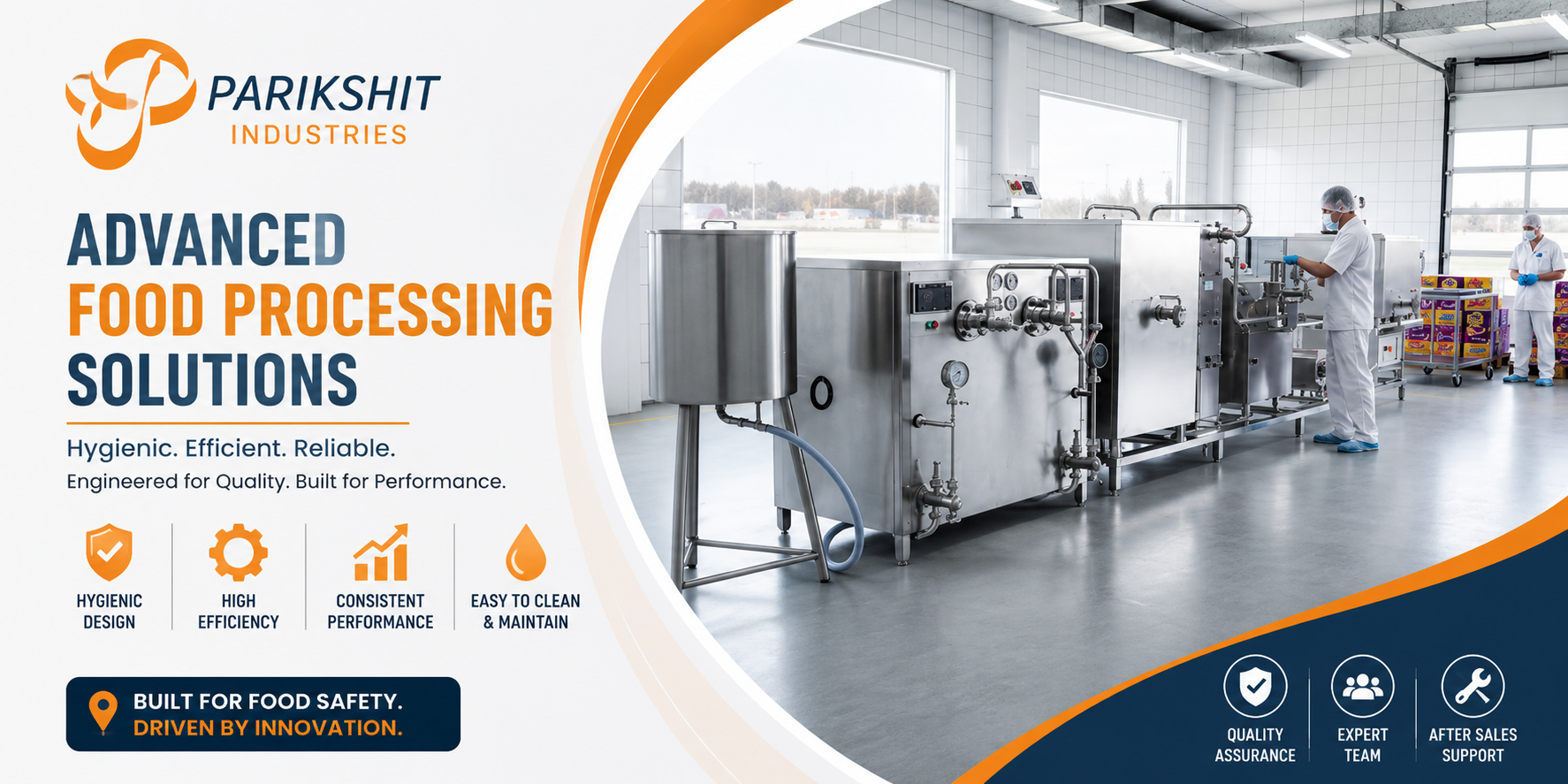
Ice Cream Plant Manufacturer in Ahmedabad
Expert Ice Cream Plant Manufacturer in Ahmedabad. Parikshit Industries designs and builds high-quality, efficient plants for your dairy business needs.
Why This Matters in Ahmedabad
Ahmedabad, a vibrant industrial hub in Gujarat, boasts a significant and expanding food processing sector. The region's robust dairy industry, coupled with a growing consumer appetite for frozen desserts, creates a strong market for ice cream production. Businesses here require manufacturing partners who understand local supply chains, regulatory environments, and the specific demands of operating in a dynamic economic landscape. Investing in a well-engineered ice cream plant from a local, experienced manufacturer like Parikshit Industries ensures that your operations are aligned with regional growth opportunities and consumer preferences.
What is an Ice Cream Plant — Overview
An ice cream plant is a sophisticated setup designed for the large-scale production of ice cream. It encompasses a series of interconnected machinery that handles every stage of the process, from raw ingredient mixing to final packaging. Key components typically include pasteurizers, homogenizers, aging vats, continuous or batch freezers, filling and packaging machines, and often a hardening tunnel or freezer storage. The entire system is engineered to maintain precise temperature controls and hygienic conditions, crucial for producing safe, high-quality ice cream efficiently.
Key Features and Technical Specifications
A well-designed ice cream plant from a reputable manufacturer will offer a range of features focused on performance, hygiene, and ease of operation. When evaluating options, look for specifications that align with your production goals and quality standards.
- Stainless Steel Construction: All product contact surfaces are typically made from high-grade stainless steel (e.g., SS 304 or SS 316) for durability, corrosion resistance, and ease of cleaning.
- Automated Control Systems: PLC-based control panels with touchscreens for precise management of temperature, flow rates, and processing times, ensuring consistency.
- Hygienic Design: Smooth surfaces, crevice-free joints, and CIP (Clean-In-Place) compatibility to prevent microbial growth and facilitate thorough sanitation.
- Variable Speed Drives: Allows for precise control over mixing, freezing, and filling speeds, enabling adjustments for different product types.
- Energy Efficiency: Incorporates modern refrigeration and heating technologies to minimize operational costs.
- Modular Design: Facilitates future expansion and easier integration of additional equipment as production needs grow.
- Safety Features: Integrated safety interlocks and emergency stop mechanisms to protect operators and machinery.
- Capacity Options: Available in various capacities to suit small-scale artisanal producers up to large industrial operations.
Industrial Applications and Use Cases
Ice cream plants are the backbone of the frozen dessert industry, serving a variety of businesses and production needs. Their applications extend beyond simple ice cream manufacturing to encompass a broader range of frozen dairy and non-dairy products.
- Large-Scale Dairy Manufacturers: Producing a wide range of ice cream flavors and formats for national or regional distribution.
- Artisanal Ice Cream Producers: Creating premium, small-batch ice creams with unique flavors and high-quality ingredients.
- Frozen Yogurt and Sorbet Production: Adapting the plant's capabilities to manufacture other frozen desserts.
- Private Label Manufacturing: Producing ice cream for supermarket chains or other brands.
- Food Service Operations: Supplying ice cream to restaurants, hotels, and catering businesses.
- Export-Oriented Production: Meeting international quality and safety standards for global markets.
- Research and Development Facilities: Testing new recipes and production techniques.
- Contract Manufacturing: Producing ice cream for other companies on a contractual basis.
How to Choose the Right Ice Cream Plant
Selecting the appropriate ice cream plant is a significant investment that requires careful consideration of several factors to ensure it meets your current and future business needs.
- Production Capacity: Determine your daily or hourly output requirements, considering potential growth.
- Product Variety: Assess the range of ice cream types (e.g., standard, premium, low-fat, vegan) and formats (cones, tubs, bars) you intend to produce.
- Automation Level: Decide on the degree of automation required, balancing efficiency with operational complexity and budget.
- Space and Utilities: Evaluate the available space for installation and the adequacy of power, water, and drainage utilities.
- Hygiene and Sanitation Standards: Ensure the plant design meets stringent food safety regulations and is easy to clean.
- Supplier Reputation and Experience: Research the manufacturer's track record, customer testimonials, and technical expertise.
- After-Sales Support: Verify the availability of installation assistance, training, spare parts, and maintenance services.
- Customization Options: Confirm if the manufacturer can tailor the plant design to specific requirements or integrate with existing equipment.
- Compliance and Certifications: Ensure the plant meets relevant industry standards and certifications (e.g., CE, UL, local food safety approvals).
Quality Standards and Compliance
Adherence to stringent quality standards and regulatory compliance is non-negotiable in food processing. For an ice cream plant, this translates to ensuring the machinery is built to hygienic design principles and meets international and local safety regulations. Manufacturers like Parikshit Industries prioritize the use of food-grade materials, such as SS 304 or SS 316 stainless steel, for all product contact parts. This material choice is critical for preventing contamination, resisting corrosion, and ensuring longevity.
Furthermore, the plant's design must facilitate effective cleaning and sanitation, often incorporating CIP (Clean-In-Place) systems. Compliance with standards like ISO 9001 for quality management systems is a good indicator of a manufacturer's commitment to consistent quality. Buyers should always verify that the equipment meets relevant electrical safety standards and food safety guidelines applicable in their region, such as those set by FSSAI in India.
Why Parikshit Industries' Experience and Capability Matters
At Parikshit Industries, our extensive experience in designing and manufacturing ice cream plants and processing machinery forms the bedrock of our commitment to quality and customer satisfaction. Based in Ahmedabad, we understand the unique demands of the regional food processing sector. Our engineering team possesses deep technical knowledge, allowing us to develop robust, efficient, and hygienic solutions tailored to specific client needs.
We meticulously manage our manufacturing processes, from raw material sourcing to final assembly, ensuring that every component meets rigorous quality control checks. Our capability extends to offering customized plant configurations, ensuring seamless integration with your existing infrastructure and production goals. We pride ourselves on delivering reliable machinery and providing comprehensive after-sales support, including installation guidance and maintenance assistance, fostering long-term partnerships with our clients.
Installation, Maintenance, and Care Tips
Proper installation, regular maintenance, and diligent care are essential for the optimal performance and longevity of your ice cream plant.
- Professional Installation: Ensure the plant is installed by qualified technicians who understand the system's intricacies and your facility's layout. Proper alignment and connections are crucial for efficient operation.
- Regular Cleaning: Implement a strict cleaning schedule, especially for product contact surfaces. Utilize CIP systems where available and ensure manual cleaning reaches all accessible areas.
- Preventive Maintenance: Schedule regular inspections of critical components like pumps, compressors, seals, and electrical systems. Address any wear or minor issues promptly to prevent major breakdowns.
- Lubrication: Follow the manufacturer's recommendations for lubricating moving parts to reduce friction and wear.
- Sanitation Protocols: Train your staff on proper sanitation procedures to maintain hygienic conditions throughout the production process.
- Monitoring Performance: Regularly check key operational parameters like temperature, pressure, and flow rates. Deviations can indicate underlying issues.
- Spare Parts Management: Keep a stock of essential spare parts to minimize downtime in case of component failure.
Frequently Asked Questions
The lifespan of an ice cream plant can vary significantly based on the quality of its construction, the materials used, the intensity of its use, and the diligence of its maintenance. However, with proper care, regular servicing, and adherence to operational guidelines, a well-engineered plant can reliably serve a business for 15 to 25 years or even longer.
The space required depends on the plant's capacity and the specific configuration of machinery. A small-scale plant might need as little as 500-1000 sq ft, while larger industrial operations could require several thousand square feet. This includes space for the machinery itself, ingredient storage, processing areas, packaging, and cold storage.
Ice cream plants require significant energy, primarily for refrigeration, pasteurization, and the operation of various motors for pumps, mixers, and freezers. The exact consumption depends on the plant's size, efficiency, and the ambient temperature. Modern plants are designed with energy efficiency in mind to help manage operational costs.
Yes, customization is a key aspect of modern ice cream plant manufacturing. Manufacturers can tailor the plant's design, capacity, and specific machinery to accommodate unique recipes, different product formats (like tubs, cones, or bars), and varying levels of automation to meet a client's precise production requirements.
Reputable manufacturers typically provide comprehensive training for your operational staff. This training covers the safe and efficient operation of each machine, routine cleaning and sanitation procedures, basic troubleshooting, and preventive maintenance schedules to ensure the plant runs smoothly and safely.
CIP systems are crucial for maintaining the high hygiene standards required in dairy processing. They allow for the automated cleaning and sanitization of internal plant surfaces without complete disassembly. This ensures thorough cleaning, reduces the risk of microbial contamination, saves labor, and minimizes downtime between production runs.
Conclusion
For businesses in Ahmedabad looking to establish or expand their ice cream production capabilities, selecting a knowledgeable and experienced ice cream plant manufacturer is a critical step. Parikshit Industries offers a blend of technical expertise, quality engineering, and a commitment to customer success. By focusing on robust design, adherence to quality standards, and providing reliable after-sales support, we aim to equip our clients with efficient and durable solutions that drive their business forward in the competitive frozen dessert market.