How Candy Plant Works
The creation of confectionery is a blend of culinary art and industrial precision. A candy plant, at its core, is a sophisticated facility designed to transform basic ingredients like sugar, glucose, and flavorings into a vast array of sweets that delight consumers worldwide. Understanding how candy plants work provides insight into the meticulous processes, specialized machinery, and stringent quality control measures that ensure consistent quality and taste in every piece.
From the initial mixing and cooking stages to the intricate shaping, cooling, and packaging, each step is critical. This guide delves into the operational intricacies of a candy plant, detailing the journey from raw materials to the final, packaged product, highlighting the engineering and chemistry involved in producing everything from hard candies to chewy treats.
Understanding the Candy Production Process
At its heart, a candy plant is an organized system of machinery and controlled environments dedicated to the large-scale production of sweets. The process begins with the careful selection and combination of raw ingredients. Sugar, often combined with glucose or corn syrup and water, forms the base. Flavorings, colorings, and acids are added to achieve the desired taste, appearance, and tang.
The mixture is then subjected to a critical heating phase. This cooking process, often carried out in vacuum cookers or large kettles, evaporates excess water and transforms the sugar solution into a concentrated syrup. The precise temperature reached during this stage is paramount, directly influencing the final texture of the candy. For hard candies, temperatures can range significantly, typically between 115°C and 180°C, demanding meticulous control to prevent scorching or undesirable crystallization.
Following cooking, the hot syrup undergoes a cooling and shaping process. This is where the amorphous, viscous liquid begins to take its final form. Various techniques are employed depending on the type of candy desired, including rotary forming, chain forming, or drop forming. After shaping, the candies are systematically cooled, often on specialized conveyors or in controlled cooling tunnels, to solidify them completely and achieve the intended consistency and texture.
Key Stages in Candy Manufacturing
The operation of a candy plant can be broken down into several distinct, yet interconnected, stages:
Ingredient Preparation & Mixing
High-quality raw materials are precisely weighed and combined in industrial mixers. This stage ensures uniformity and the correct ratio of sugar, corn syrup, water, and other additives for the desired candy type.
Cooking & Syrup Formation
The mixed ingredients are heated to specific temperatures, usually under vacuum to control moisture content and prevent degradation. This transforms the mixture into a smooth, homogenous syrup.
Flavoring & Coloring
Once cooked to the correct consistency, flavorings, colorings, and sometimes acids are added. This is often done just before shaping to maintain vibrancy and potency.
Shaping & Forming
The hot candy mass is fed into forming machines. Techniques like depositing, stamping, or extruding create the distinct shapes and sizes of individual candies.
Cooling & Solidification
Candies move through cooling tunnels or on controlled conveyors to solidify properly. Environmental conditions within these areas are carefully managed to prevent defects like stickiness or sugar bloom.
Wrapping & Packaging
Automated machines wrap each candy individually or group them for final packaging, ensuring freshness, hygiene, and shelf appeal.
The Role of Corn Syrup and Precise Control
Corn syrup plays a vital role in modern candy making. Its primary function is to inhibit crystallization of the sugar. Without it, the sugar in the candy would tend to form large, grainy crystals, resulting in an undesirable texture. Corn syrup increases the viscosity of the sugar solution and keeps the sugar molecules in a stable, amorphous state, ensuring a smooth, clear, and glossy finish characteristic of quality hard candies.
The precision required in a candy plant cannot be overstated. Temperature, humidity, ingredient ratios, and cooling rates are all critical parameters. Modern plants often incorporate automation to ensure these variables are maintained within tight tolerances. This automation not only enhances efficiency and consistency but also helps in reducing errors that could lead to product defects, ensuring that the final candy meets consumer expectations for taste, texture, and appearance.
Selecting the Right Candy Plant Solution
For businesses looking to enter or expand in the confectionery market, selecting the appropriate candy plant machinery is a crucial decision. The scale of operation, the types of candies to be produced, and available space all influence the choice of equipment. Factors such as desired production volume, the complexity of candy designs, and the need for specialized features like allergen control or specific cooling profiles must be considered.
When evaluating solutions, look for manufacturers who understand the nuances of candy production and can offer tailored equipment. Aspects like the efficiency of heating systems, the accuracy of cooling mechanisms, and the flexibility of shaping machinery are key indicators of quality. Furthermore, the ease of cleaning and maintenance is vital for ensuring hygiene standards and operational uptime.
Buyer Insight: Space Efficiency Matters
For businesses with limited production floor space, finding compact yet efficient candy manufacturing solutions is essential. Manufacturers offering scalable designs that can fit within smaller footprints, such as spaces around 1000 sq ft, provide valuable options for startups and specialized producers.
Key Considerations Before Investing:
- Type of Candy: Will you produce hard candies, gummies, caramels, or a variety? Each requires different processing parameters and machinery.
- Production Capacity: Assess your expected output to match machinery with suitable throughput.
- Automation Level: Decide on the degree of automation needed for efficiency and consistency.
- Ingredient Flexibility: Can the plant handle variations in raw materials or specialized inclusions?
- Hygiene & Maintenance: Ensure the equipment is designed for easy cleaning and meets food safety standards.
- Supplier Support: Look for reliable after-sales service, spare parts availability, and technical assistance.
Expertise in Candy Plant Design and Manufacturing
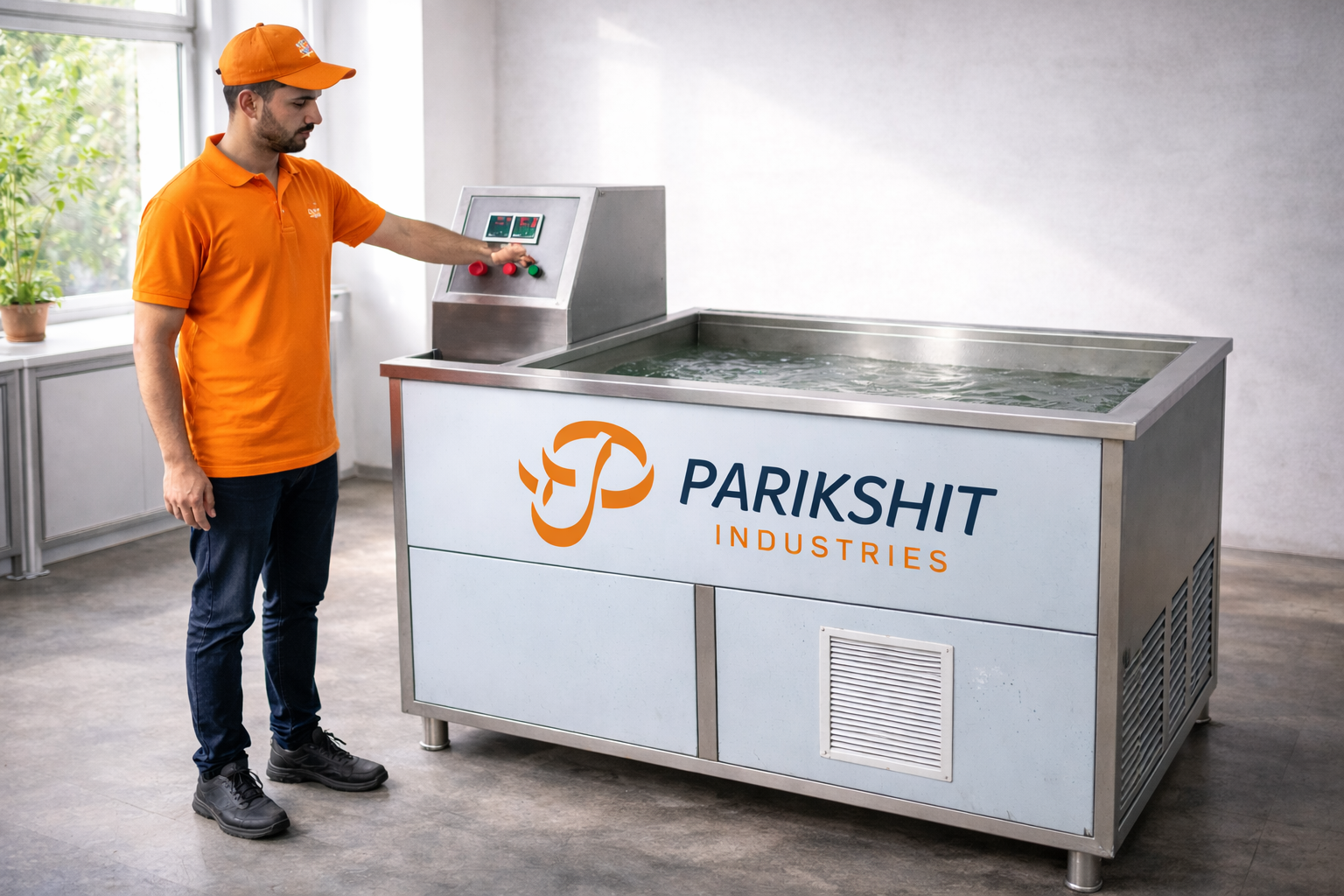
Parikshit Industries, located in Ahmedabad, Gujarat, specializes in designing, manufacturing, and supplying Ice Cream Plants and Processing Machinery, including dedicated solutions for candy production. They understand the critical role that well-engineered machinery plays in creating high-quality confectionery products efficiently and consistently.
With a focus on providing practical and effective solutions, Parikshit Industries can cater to a range of operational needs, offering machinery suitable for various production scales. Their commitment is to deliver robust and reliable equipment that helps businesses achieve their production goals, ensuring that the intricate processes involved in how a candy plant works are managed with precision and expertise. Whether you are establishing a new venture or expanding existing operations, Parikshit Industries provides the foundational equipment needed for successful candy manufacturing.
Frequently Asked Questions About Candy Plants
What are the main ingredients for hard candy?
The primary ingredients for hard candy are sugar (sucrose) for sweetness, corn syrup to prevent crystallization and add viscosity, and water to dissolve these components. Acids like citric acid are often added for flavor.
Why is temperature control so important in candy making?
Precise temperature control is crucial because it dictates the final texture and consistency of the candy. Different temperatures yield different results, from chewy to brittle. Overheating can cause caramelization or burning, while underheating can lead to a sticky or crystalline product.
How does corn syrup affect candy texture?
Corn syrup acts as an interfering agent, preventing the sugar molecules from forming large crystals. This results in a smooth, clear, and non-crystalline texture, which is essential for most types of candy, especially hard candies.
Can a candy plant be customized for specific needs?
Yes, reputable manufacturers can customize candy plant machinery to meet specific production requirements, such as desired candy shapes, sizes, flavors, and production capacities. Solutions can often be adapted for varying space constraints.
What role does automation play in a candy plant?
Automation in a candy plant enhances efficiency, ensures consistent product quality by maintaining precise control over parameters like temperature and mixing time, reduces manual labor, and minimizes the risk of human error.
Ready to Set Up Your Candy Production?
Understanding how a candy plant works is the first step towards successful confectionery manufacturing. If you're looking for reliable machinery and expert solutions tailored to your needs, Parikshit Industries is your trusted partner. We offer a range of processing equipment designed for efficiency and quality.
Contact us today to discuss your specific requirements and explore how our solutions can help bring your sweet creations to life.
Request a Consultation