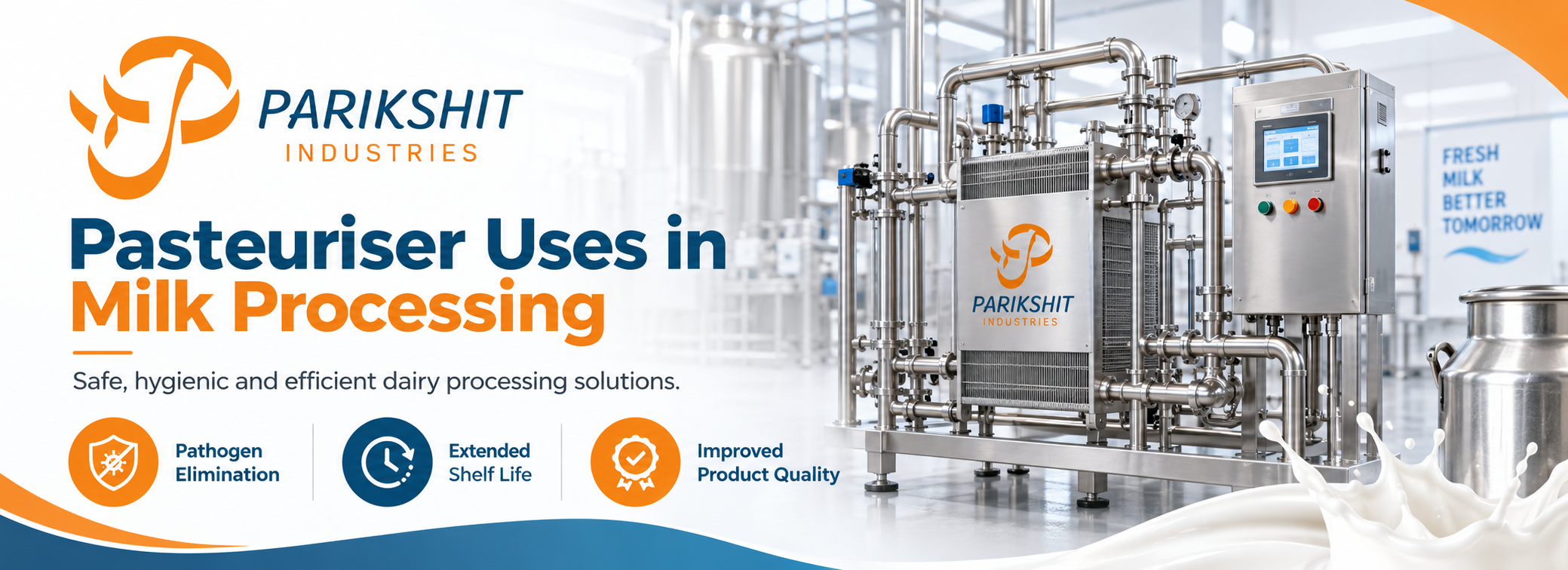
Pasteuriser Uses in Milk Processing
The journey of milk from farm to table is a complex one, with numerous steps crucial for ensuring its safety, quality, and longevity. Among the most vital pieces of equipment in this process is the pasteuriser. Essential for public health and the dairy industry's viability, pasteurisation is a cornerstone of modern milk production. This guide delves into the indispensable uses of pasteurisers in milk processing, exploring why this technology is a non-negotiable element for any dairy operation aiming for excellence and consumer trust.
Understanding Pasteurisation in Milk Processing
Pasteurisation is a scientific heat treatment process designed to significantly reduce the number of viable pathogens in milk. Named after Louis Pasteur, who pioneered the technique, it involves heating raw milk to a specific temperature for a predetermined period, followed by rapid cooling. The primary objective is to eliminate disease-causing microorganisms like Listeria, Salmonella, and E. coli, thereby making milk safe for consumption and drastically reducing the risk of milk-borne illnesses. It’s important to note that pasteurisation is not sterilization; it does not kill all microorganisms but significantly reduces them to safe levels. This careful balance ensures that while harmful bacteria are neutralized, the milk’s nutritional value and desirable sensory qualities are largely preserved.
The process effectively targets microorganisms that can cause spoilage and disease. By inactivating these microbes, pasteurisation not only safeguards public health but also extends the marketable shelf life of milk, allowing it to reach a wider consumer base without compromising quality. This makes it a fundamental step for commercial dairy producers worldwide.
Key Applications and Uses of Pasteuriser Machines
Pasteurisers are versatile machines with several critical functions within the milk processing chain:
Pathogen Elimination
The most critical use is the destruction of harmful bacteria, viruses, and protozoa. This directly prevents outbreaks of foodborne diseases associated with raw milk consumption.
Extended Shelf Life
By reducing the population of spoilage microorganisms, pasteurisation significantly prolongs the time fresh milk remains safe and palatable, minimizing waste for both producers and consumers.
Improved Product Quality
The process can also act as a deodorizer, removing undesirable volatile compounds that might affect the milk's taste and aroma, leading to a cleaner flavour profile.
Nutritional Preservation
While heat is applied, modern pasteurisation methods are carefully calibrated to minimize any negative impact on milk's essential nutrients like calcium, protein, and vitamins.
Tangible Benefits of Pasteurisation in Dairy Operations
Implementing effective pasteurisation offers substantial advantages for milk processors:
- Enhanced Consumer Safety: Reduces the risk of serious illness, building consumer confidence and brand loyalty.
- Reduced Spoilage and Waste: Longer shelf life means fewer product losses due to spoilage, leading to improved profitability.
- Standardised Product Quality: Ensures consistent taste, aroma, and safety across all batches, meeting regulatory and consumer expectations.
- Broader Market Reach: Extended shelf life allows milk to be transported further, opening up larger and more diverse markets.
- Regulatory Compliance: Pasteurisation is a mandatory requirement in many regions for fluid milk sales, ensuring legal operation.
Selecting the Right Pasteuriser for Your Needs
Choosing an appropriate pasteuriser is crucial for efficient and safe milk processing. Several factors should guide your decision:
Key Considerations Before Purchasing:
- Milk Volume: Determine the daily or batch volume of milk you process to select a pasteuriser with adequate capacity.
- Type of Pasteurisation: Common methods include High-Temperature Short-Time (HTST) pasteurisation (e.g., 161°F/71.6°C for 15 seconds) or Batch Pasteurisation (e.g., 145°F/63°C for 30 minutes). HTST is typically for high-volume continuous processing, while batch pasteurisers are suitable for smaller operations or varied product runs.
- Automation Level: Decide between manual, semi-automatic, or fully automatic systems based on your operational needs, budget, and labour availability.
- Space and Utilities: Ensure you have adequate space, power supply, and cooling facilities to accommodate the chosen pasteuriser.
- Material and Construction: Opt for pasteurisers made from food-grade stainless steel (like SS304 or SS316) for durability, hygiene, and resistance to corrosion.
Buyer Insight: Always consider the maintenance requirements and the availability of spare parts for the pasteuriser model you are evaluating. A machine that is difficult to service or repair can lead to costly downtime.
When evaluating potential suppliers, inquire about their experience in the dairy industry, the quality of materials used, and the efficiency of their pasteurisation systems. Understanding the pasteuriser's energy consumption and cleaning protocols (CIP - Clean-In-Place capabilities) is also vital for long-term operational efficiency and hygiene.
Parikshit Industries: Your Partner in Dairy Processing Solutions
Based in Ahmedabad, Gujarat, India, Parikshit Industries is a dedicated manufacturer and supplier of high-quality Ice Cream Plants and Processing Machinery. While their expertise prominently features ice cream production equipment, their commitment to quality engineering and modern food processing standards extends to providing robust solutions for the dairy sector. Their focus on customer satisfaction ensures that they deliver machinery designed to meet the rigorous demands of milk processing operations.
Parikshit Industries understands the critical importance of reliable equipment in maintaining product integrity and safety. Their manufacturing approach emphasizes durability and performance, providing dairy businesses with the confidence they need in their processing capabilities. By leveraging their engineering strengths, they aim to support the Indian dairy industry with machinery that upholds the highest standards of quality and operational efficiency.
Frequently Asked Questions about Pasteuriser Uses
Does pasteurisation kill all bacteria in milk?
No, pasteurisation does not kill all microorganisms. Its primary goal is to eliminate pathogenic bacteria that pose a health risk and reduce spoilage organisms to significantly extend shelf life. Some non-pathogenic bacteria and spores may survive.
How does pasteurisation affect the nutritional value of milk?
Modern pasteurisation methods have a minimal impact on the nutritional value of milk. Key nutrients like calcium, protein, vitamin D (if added), and others remain largely intact. Some heat-sensitive vitamins like Vitamin C might be slightly reduced, but milk is not a primary source of these.
What are the different types of pasteurisation methods?
The most common methods are Batch Pasteurisation (low-temperature, long-time - LTLT) and High-Temperature Short-Time (HTST) pasteurisation. HTST involves heating milk to at least 161°F (71.6°C) for 15 seconds, while batch pasteurisation typically involves heating to 145°F (63°C) for 30 minutes. Ultra-High Temperature (UHT) processing is another method used for shelf-stable products.
Why is rapid cooling important after pasteurisation?
Rapid cooling after the heating phase is crucial to prevent the surviving microorganisms from growing and to preserve the quality of the milk. It quickly brings the milk to refrigeration temperatures (around 40°F or 4°C).
Elevate Your Milk Processing with Reliable Equipment
Ensuring the safety and quality of your milk products starts with the right processing machinery. A high-performance pasteuriser is fundamental to meeting consumer expectations and regulatory standards. Explore how advanced processing solutions can benefit your dairy operation.
Discover Parikshit Industries' Processing Solutions