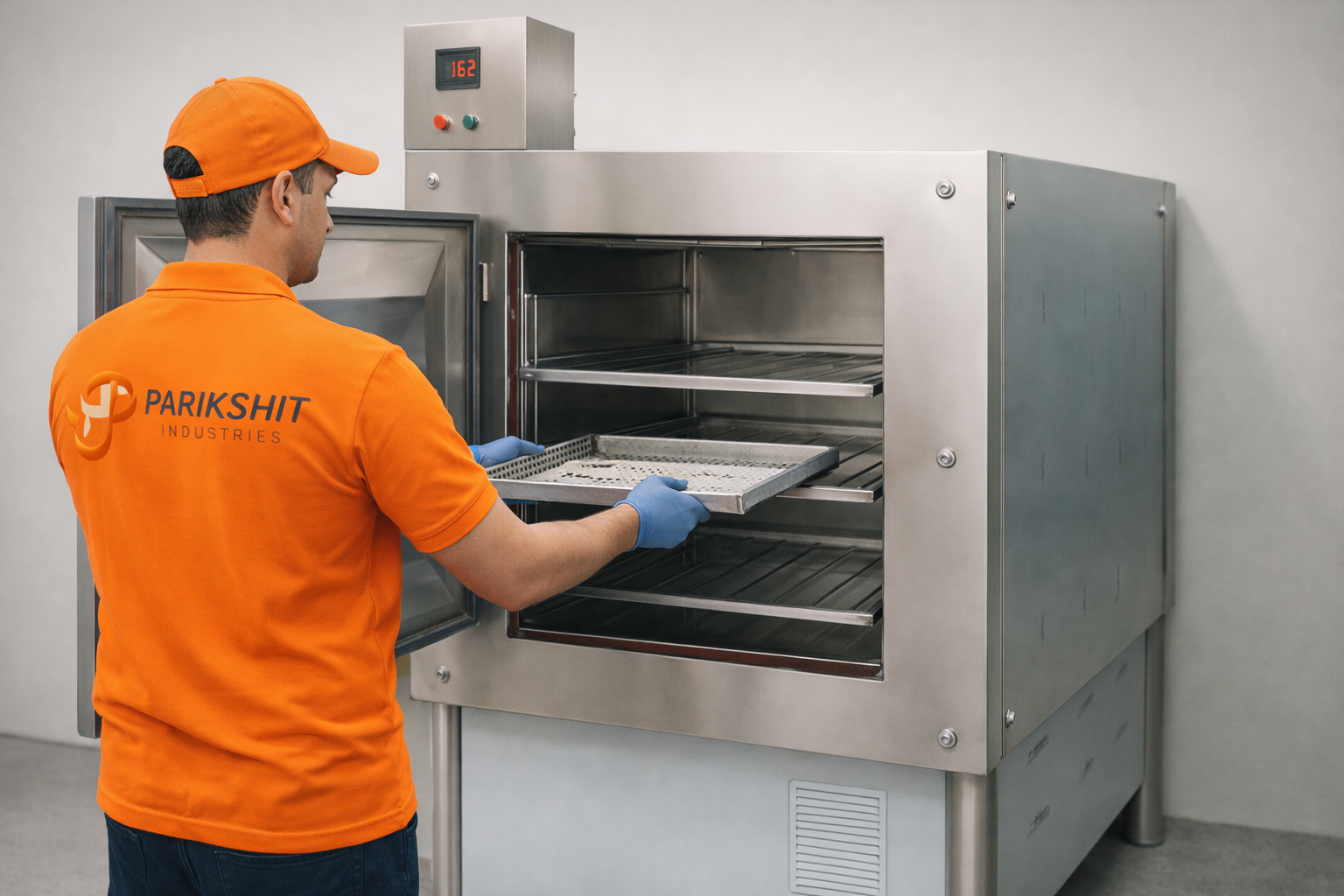
How Hardening Tunnel Works
In the pursuit of the perfect scoop, the journey from a smooth, creamy base to a solid, delightful treat involves critical post-production processes. Among the most vital is the rapid freezing of ice cream, a stage where hardening tunnels play an indispensable role. These specialized systems are the unsung heroes behind ice cream's desirable texture, preventing the formation of large ice crystals that can mar the eating experience. Understanding how hardening tunnels work is key for any ice cream manufacturer aiming for superior product quality and efficiency.
The Science of Rapid Freezing: What Happens in a Hardening Tunnel?
Ice cream, as it exits a continuous freezer, is typically around -5°C to -7°C, with only about half of its water content frozen. At this stage, it's still quite soft, and its structure is malleable. If left to freeze slowly at standard freezer temperatures (-18°C to -20°C), the remaining water will form large ice crystals. These large crystals create a coarse, icy, and less appealing texture. This is where the hardening tunnel steps in.
A hardening tunnel is essentially an enclosed conveyor system engineered to expose ice cream packages to intensely cold air, often ranging from -34°C to -45°C. The primary objective is to quickly lower the core temperature of the ice cream to -18°C or below. This rapid chilling dramatically minimizes the time available for ice crystals to grow, resulting in the formation of numerous small ice crystals. The smaller the ice crystals, the smoother and creamier the ice cream tastes.
The process relies heavily on the principle of heat transfer, specifically convective heat transfer enhanced by the 'wind chill' effect. Powerful fans strategically placed within the tunnel circulate extremely cold air at high velocity across the surface of the ice cream packages. This constant flow of frigid air effectively strips heat away from the product, accelerating the freezing process significantly compared to static freezing methods.
Operational Mechanics: How a Hardening Tunnel Functions
The operational flow within a hardening tunnel is designed for maximum efficiency and consistent results. Ice cream products, whether in cups, cones, family packs, or cakes, enter the tunnel on a conveyor belt. The speed of this conveyor is carefully calibrated to ensure that each product spends the optimal amount of time within the freezing zones to achieve the target core temperature.
Some advanced hardening tunnels utilize a spiral design. In these systems, products are placed on trays that move along a vertical or multi-level spiral path. This design allows for a long product path within a relatively compact footprint, maximizing freezing time while minimizing the overall space the equipment occupies. Regardless of the specific configuration, the core principle remains the same: maintaining an intensely cold environment and ensuring sufficient exposure time for effective freezing.
Buyer Insight:
The efficiency of a hardening tunnel is directly linked to its ability to maintain a consistent, low temperature and provide adequate air circulation. Factors like insulation integrity, fan performance, and conveyor control are critical for uniform hardening and energy efficiency.
The rapid passage of cold air is a critical element. This is achieved through a well-designed air circulation system that ensures cold air reaches all surfaces of the product, even those in the center of a multi-layered pack. This uniform exposure is crucial for preventing uneven freezing and ensuring consistent product quality throughout.
Applications and Versatility of Hardening Tunnels
While intrinsically linked with ice cream production, hardening tunnels are remarkably versatile pieces of food processing machinery. Their ability to rapidly reduce the temperature of packaged food items makes them suitable for a wide array of applications beyond just frozen dairy desserts.
Common Applications:
- Ice Cream Products: This includes individual cones, cups, sandwiches, multi-packs, family-sized tubs, and even ice cream cakes. The tunnel ensures that these diverse products maintain their shape and texture during the critical freezing phase.
- Bakery Goods: Items like bread, pastries, and cakes can be rapidly frozen to preserve their freshness and texture before distribution or further processing.
- Ready Meals and Pizzas: For manufacturers of frozen pizzas or prepared meals, rapid freezing is essential to lock in flavor, texture, and nutritional value, preventing spoilage and maintaining consumer appeal.
- Other Frozen Foods: Various other food products that require quick freezing to maintain quality can be processed effectively.
Key Benefits of Utilizing a Hardening Tunnel
The advantages of incorporating a hardening tunnel into a food production line are substantial, contributing directly to product quality, operational efficiency, and market competitiveness.
Enhanced Texture & Quality: The most significant benefit is the formation of small ice crystals, leading to a smoother, creamier, and more desirable mouthfeel in ice cream. This directly impacts consumer satisfaction and brand perception.
Increased Efficiency: Hardening tunnels dramatically reduce the time required for deep freezing compared to conventional methods. This faster throughput allows for higher production volumes and quicker order fulfillment.
Improved Shelf Life: Rapid freezing helps to preserve the product's integrity and quality, potentially extending its shelf life by minimizing damage to food structures during the freezing process.
Shape Retention: The quick freezing process solidifies the product rapidly, helping it to retain its shape, especially important for molded ice cream products like bars, cakes, and novelty items.
Space Optimization: Modern designs, such as spiral hardening tunnels, can achieve significant freezing capacity within a relatively small operational footprint, ideal for facilities with space constraints.
Selecting the Right Hardening Tunnel: A Buyer's Guide
Choosing an appropriate hardening tunnel involves considering several factors to ensure it aligns with your production needs, product types, and operational goals. PARIKSHIT INDUSTRIES, a manufacturer based in Ahmedabad, Gujarat, India, offers solutions designed for the ice cream and food processing industry.
Key Considerations for Buyers:
Product Type and Size: Evaluate the variety and dimensions of the products you intend to freeze. Tunnels need to accommodate different package sizes, shapes, and potentially varying densities.
Capacity Requirements: Determine your required throughput. Consider the volume of product that needs to be hardened per hour or per shift. This will influence the tunnel's dimensions and conveyor speed capabilities.
Freezing Performance: Ensure the tunnel can achieve and maintain the necessary low temperatures (-34°C to -45°C) and provide sufficient air circulation for rapid hardening to your target core temperature (-18°C or lower).
Space Availability: Measure your available floor space. Spiral tunnels offer high capacity in a smaller footprint, while straight-line tunnels may require more linear space but can be simpler in design.
Energy Efficiency: Look for designs that incorporate good insulation, efficient fan systems, and potentially variable speed drives to minimize energy consumption without compromising performance.
Ease of Cleaning and Maintenance: Hygienic design is paramount in food processing. The tunnel should be constructed with materials suitable for food contact and allow for easy access for cleaning and routine maintenance to prevent frost buildup and ensure food safety.
When evaluating solutions, it's important to understand the operational nuances. For instance, minimizing the ingress of warm, humid air is crucial for maintaining optimal operating temperatures and preventing excessive frost formation. Manufacturers like PARIKSHIT INDUSTRIES can provide insights into system designs that address these challenges, potentially including features like air curtains or specialized entry/exit points.
PARIKSHIT INDUSTRIES: Your Partner in Ice Cream Processing
Based in Ahmedabad, Gujarat, India, PARIKSHIT INDUSTRIES is a dedicated designer, manufacturer, and supplier of Ice Cream Plants and Processing Machinery. They offer robust solutions for the food industry, including effective hardening tunnels designed to meet the rigorous demands of modern ice cream production.
With a focus on providing essential machinery for the sector, PARIKSHIT INDUSTRIES understands the critical importance of rapid freezing for achieving superior ice cream quality. Their commitment extends to supplying reliable equipment that helps manufacturers optimize their production processes, enhance product texture, and ensure consistency across batches. Whether you are establishing a new facility or upgrading existing operations, PARIKSHIT INDUSTRIES aims to provide the machinery necessary to achieve your production goals.
Frequently Asked Questions about Hardening Tunnels
What is the primary purpose of a hardening tunnel?
The primary purpose of a hardening tunnel is to rapidly freeze ice cream and other food products to a very low core temperature (-18°C or below) as quickly as possible. This rapid freezing minimizes ice crystal growth, resulting in a smoother texture and higher quality product.
How does the 'wind chill' effect benefit hardening?
The 'wind chill' effect, created by high-velocity cold air circulation, dramatically increases the rate of heat removal from the product surface. This accelerated cooling is what enables the rapid freezing essential for small ice crystal formation.
Can hardening tunnels be used for products other than ice cream?
Yes, hardening tunnels are versatile and can be used for rapidly freezing a variety of food items, including bakery products like bread and pastries, as well as ready meals and pizzas, to preserve their freshness and quality.
What factors influence the speed at which ice cream hardens?
Factors influencing hardening speed include the initial temperature of the ice cream entering the tunnel, the size and shape of the package (smaller items freeze faster), the temperature of the air within the tunnel, and the efficiency of air circulation and distribution.
Ready to Optimize Your Ice Cream Production?
Achieving the perfect texture and quality in your ice cream products starts with efficient and effective hardening. Explore how a state-of-the-art hardening tunnel can transform your production line. Contact PARIKSHIT INDUSTRIES today to discuss your specific needs and discover the ideal solution for your ice cream plant.
Request a Solution