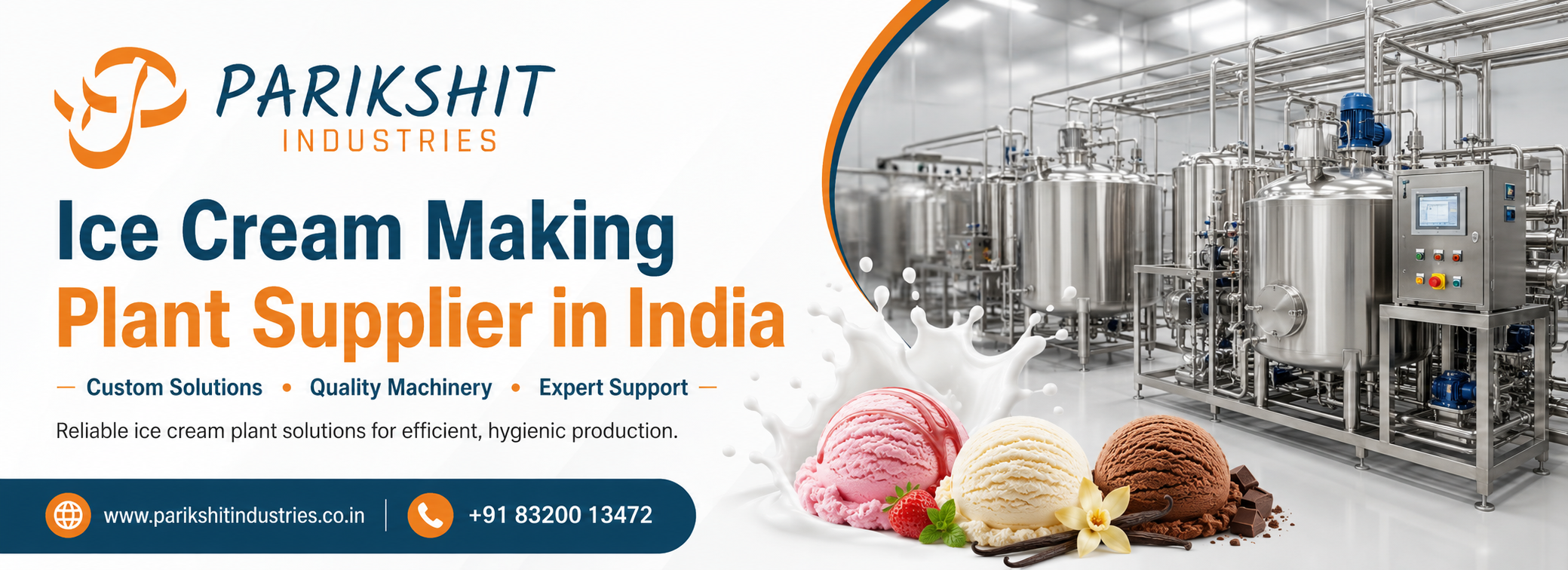
Ice Cream Making Plant Supplier in India
Find a reliable Ice Cream Making Plant supplier in India. Parikshit Industries offers custom solutions, quality machinery, and expert support for your productio
Why This Matters in India
India's dairy sector is one of the largest in the world, and the ice cream market is experiencing significant growth. This expansion is fueled by a rising disposable income, a young demographic, and increasing urbanization. Consequently, there's a substantial and growing demand for advanced ice cream making plants and processing machinery across the country.
Manufacturers in India are increasingly seeking solutions that not only meet domestic taste preferences but also adhere to international quality and safety standards. This creates a strong market for suppliers who can deliver technologically sound, hygienic, and cost-effective ice cream plant solutions tailored to the Indian context.
What is an Ice Cream Making Plant — Overview
An ice cream making plant is a sophisticated setup designed for the commercial production of ice cream. It encompasses a series of interconnected machinery that processes raw ingredients into the final frozen dessert. The process typically begins with the mixing of ingredients like milk, cream, sugar, and flavorings, followed by pasteurization and homogenization to ensure safety and texture.
The mixture then undergoes aging, freezing in specialized equipment to incorporate air and achieve the desired consistency, and finally, hardening to set the product. A complete plant may also include packaging machinery, refrigeration systems, and control panels for seamless operation.
Key Features and Technical Specifications
When evaluating an ice cream making plant, several key features and technical specifications are paramount for efficient and high-quality production:
- Material Construction: Primarily stainless steel (e.g., SS304, SS316) for all contact parts, ensuring hygiene and durability.
- Capacity Range: Available in various capacities, from small-scale batch production to large-scale continuous operations, measured in liters per hour or kilograms per batch.
- Temperature Control: Precise control over pasteurization, aging, freezing, and hardening temperatures is crucial for product quality and safety.
- Hygiene Standards: Designed to meet stringent food safety regulations, often incorporating CIP (Clean-In-Place) systems for easy cleaning.
- Freezing Technology: Utilizes efficient freezing systems (e.g., scraped surface heat exchangers) to achieve optimal overrun and texture.
- Automation Level: Options for semi-automatic or fully automatic operation, including PLC-based control systems for consistency and efficiency.
- Energy Efficiency: Incorporates energy-saving designs in refrigeration and processing units to reduce operational costs.
- Customization Options: Ability to tailor plant configurations, capacities, and features to specific product requirements and space constraints.
Industrial Applications and Use Cases
Ice cream making plants are versatile and find applications across various segments of the food industry:
- Large-Scale Dairy Manufacturers: Producing a wide range of ice cream products for national distribution.
- Medium-Scale Ice Cream Brands: Focusing on regional markets with diverse flavor profiles and product types.
- Specialty Ice Cream Producers: Creating artisanal, gourmet, or niche ice cream products.
- Frozen Yogurt and Sorbet Production: Adapting the plant for manufacturing other frozen desserts.
- Contract Manufacturing: Producing ice cream for private labels or other brands.
- Food Service Providers: Supplying ice cream to hotels, restaurants, and catering businesses.
- New Entrant Startups: Establishing initial production capabilities for emerging ice cream businesses.
- Product Diversification: Existing food companies expanding into the ice cream market.
How to Choose the Right Ice Cream Making Plant
Selecting the appropriate ice cream making plant requires careful consideration of several factors to ensure it aligns with your business objectives and operational needs.
- Production Capacity: Determine your current and projected daily or batch production volume to select a plant that can meet demand without over or under-capacity.
- Product Variety: Consider the types of ice cream you plan to produce (e.g., stick bars, cups, cones, tubs, novelties) and ensure the plant's flexibility.
- Space and Layout: Assess the available floor space and consider the plant's footprint, including utility requirements and workflow.
- Automation Needs: Decide on the level of automation required, balancing initial investment with long-term labor costs and consistency.
- Hygiene and Safety Compliance: Verify that the plant design and materials meet relevant food safety standards (e.g., FSSAI, HACCP, ISO).
- Supplier Reputation and Support: Research the manufacturer's track record, customer testimonials, and the availability of after-sales service and spare parts.
- Energy Efficiency: Evaluate the power consumption of different components to estimate ongoing operational costs.
- Budget and ROI: Balance the initial capital expenditure with the expected return on investment, considering production efficiency and product quality.
Quality Standards and Compliance
Adherence to stringent quality standards and regulatory compliance is non-negotiable in the food processing industry. Reputable ice cream making plant suppliers in India ensure their machinery is manufactured according to national and international benchmarks. This includes using food-grade stainless steel, ensuring smooth internal surfaces for easy cleaning, and designing components that prevent contamination.
Certifications such as ISO 9001 for quality management systems are often indicators of a manufacturer's commitment to consistent quality. Furthermore, understanding and complying with local regulations set by bodies like the Food Safety and Standards Authority of India (FSSAI) is essential. Buyers should verify that the plant's design facilitates easy cleaning and maintenance, thereby upholding hygienic production practices.
Why Parikshit Industries' Experience and Capability Matters
Parikshit Industries brings a deep understanding of ice cream production to every project. Our specialization in designing, manufacturing, and supplying ice cream plants and processing machinery means we are focused on delivering solutions that are both technically sound and operationally efficient. We pride ourselves on our engineering capabilities, which allow us to create robust, user-friendly machinery built with high-grade materials.
Our commitment extends beyond manufacturing; we offer end-to-end solutions, including project consultation, plant layout design, installation, commissioning, and comprehensive after-sales support. This holistic approach ensures that our clients receive not just equipment, but a complete, reliable production system. Our experience in customizing plant solutions to meet specific client requirements and capacities further underscores our capability to serve diverse needs within the Indian market.
Installation, Maintenance, and Care Tips
Proper installation, regular maintenance, and diligent care are vital for the longevity and optimal performance of your ice cream making plant.
- Installation: Ensure installation is carried out by qualified technicians, following the manufacturer's guidelines precisely. This includes proper electrical connections, plumbing, and system calibration.
- Daily Cleaning: Implement a strict daily cleaning schedule for all machinery parts, especially those in contact with the ice cream mix. Utilize recommended cleaning agents and follow CIP procedures where applicable.
- Regular Inspections: Conduct routine visual inspections of all components, checking for wear and tear, leaks, or any unusual noises. Pay close attention to seals, bearings, and moving parts.
- Lubrication: Follow the manufacturer's recommended lubrication schedule for all moving parts to ensure smooth operation and prevent premature wear.
- Sanitization: Ensure thorough sanitization of the plant before and after production runs, particularly for critical components like freezers and filling machines.
- Preventive Maintenance: Schedule periodic preventive maintenance checks with the supplier or a qualified service provider. This can help identify and address potential issues before they lead to breakdowns.
- Operator Training: Ensure all operators are adequately trained on the correct operation, cleaning procedures, and basic troubleshooting of the machinery.
Frequently Asked Questions
A complete ice cream making plant typically includes a milk storage tank, pasteurizer, homogenizer, aging tank, continuous or batch ice cream freezer, hardening tunnel or room, and a refrigeration system. Optional machines like cup fillers or stick bar machines can also be integrated.
Parikshit Industries prioritizes quality through the use of high-grade stainless steel, adherence to stringent manufacturing processes, and rigorous testing of all machinery before dispatch. Our commitment to engineering excellence ensures reliability and durability in every plant we supply.
Yes, customization is a core offering. We work closely with clients to understand their specific capacity requirements, product types, and operational needs to design and manufacture tailored ice cream plant solutions.
We provide comprehensive after-sales support, including installation, commissioning, operator training, and ongoing technical assistance. Our aim is to ensure smooth operation and address any maintenance or operational queries promptly.
With proper installation, regular maintenance, and adherence to operating guidelines, an ice cream making plant can have a lifespan of 15-20 years or more. The quality of materials and manufacturing significantly impacts its durability.
Hygiene is paramount in ice cream production to ensure product safety and prevent microbial contamination. Our plants are designed with food-grade materials, smooth surfaces, and often incorporate easy-to-clean features like CIP systems to maintain the highest sanitary standards.
Conclusion
Establishing a successful ice cream manufacturing operation hinges on selecting the right ice cream making plant and partnering with a reliable supplier. In India, where the market is dynamic and quality expectations are high, Parikshit Industries offers the expertise, robust machinery, and comprehensive support needed to build an efficient and compliant production facility.
Focusing on customized solutions, adherence to quality standards, and dedicated after-sales service ensures that your investment in an ice cream making plant translates into consistent product quality and business growth. A well-chosen plant, backed by experienced engineering, is the foundation for achieving excellence in the competitive frozen dessert industry.